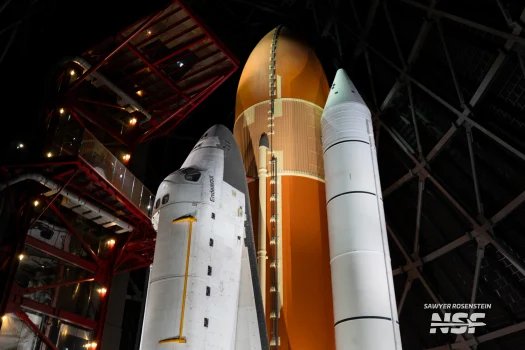
Space Shuttle Endeavour displayed vertically in new exhibit at California Science Center
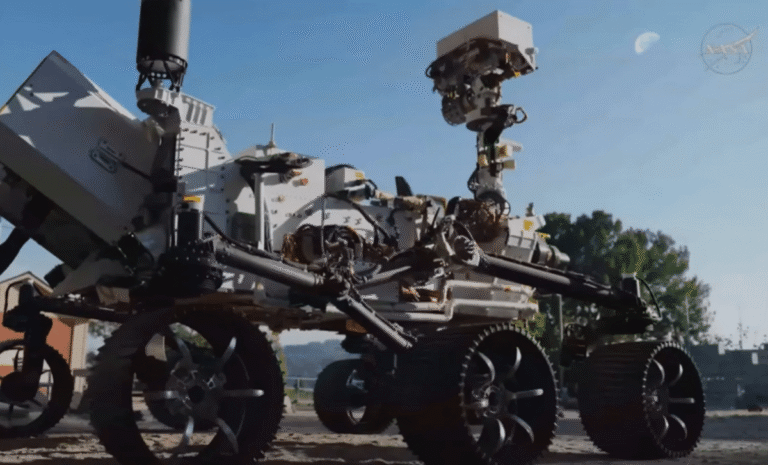
NASA may be preparing to give one of its most recognizable rover designs an entirely new destination. During a recent Artemis update, the agency revealed that it is studying the possibility of sending PROMISE, a spare engineering model based on the Perseverance and Curiosity Mars rovers, to the Moon’s south pole. The concept could transform…
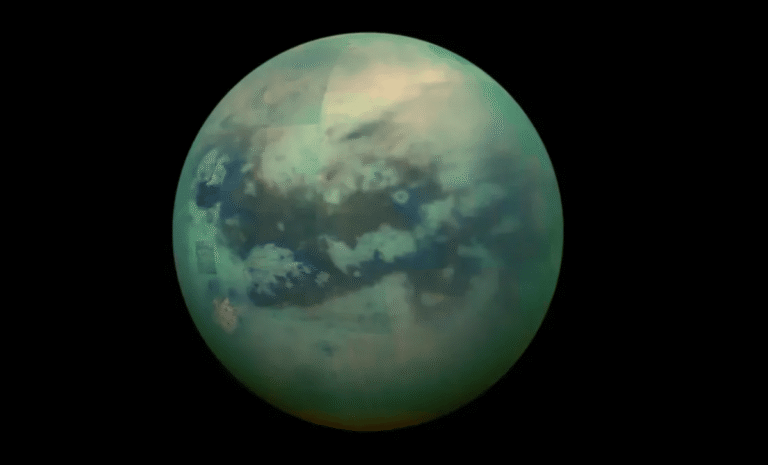
The idea of sending astronauts to Titan, Saturn’s largest moon, has long belonged to the realm of distant dreams. That perception is beginning to change. During the first-ever Humans to Titan Summit 2026, researchers, engineers, and planetary scientists gathered to examine a question that is no longer purely speculative: what would it actually take for…

Philadelphia politicians hoped to replicate the success of the 1876 Centennial Exposition. Instead, the 1926 world’s fair lost millions of dollars, essentially bankrupting the city on the eve of the Great Depression Meilan Solly | Senior Associate Digital Editor, History June 16, 2026 An aerial view of the Sesquicentennial International Exposition Public domain via Wikimedia…
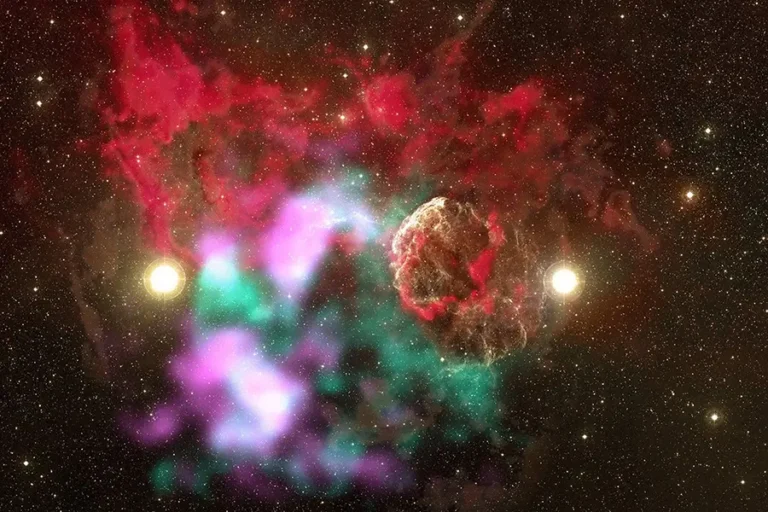
This multiwavelength scene shows the Jellyfish Nebula supernova remnant (right), the interstellar cloud it’s interacting with, and a distinctive curving filament to its upper left (purple). The filament, which is shown here both in optical and ultraviolet (UV) light, is the visible part of an overlapping supernova remnant, G189.6+3.3, that’s more prominent in radio and…

DURHAM, ENGLAND—Researchers led by Marta Díaz-Guardamino of Durham University created 3D models of rock art depicting boats found at 12 sites in northwestern Spain and Portugal, according to a statement released by Durham University. The team then compared them to similar carvings found in Scandinavia. The researchers noted that all of the Iberian images had…

All stars die eventually, including our Sun. Depending on the star, that can spell doom for planets. Massive stars die in cataclysmic explosions called supernovae, and their powerful blast waves can destroy any planets within range. If our Sun were massive enough to explode like this, it would mean an instantaneous end for Earth. But…